Private Credit
Underwrite against the borrower's own documents.
A credit model is built from the borrower's financials and turned every quarter as new reporting arrives. Provenance ties each figure to the document it came from and shows what changed since the last package.
The problem
The covenant lives in adjusted EBITDA.
Every add-back moves the headroom, and every add-back needs a page that supports it.
Management adjustments arrive in the CIM and the lender presentation. Whether each one holds is decided by the audited statements and the QoE, and that check is done by hand, under time pressure, by the most senior person on the credit.

Where it fits
Three places it changes the work.
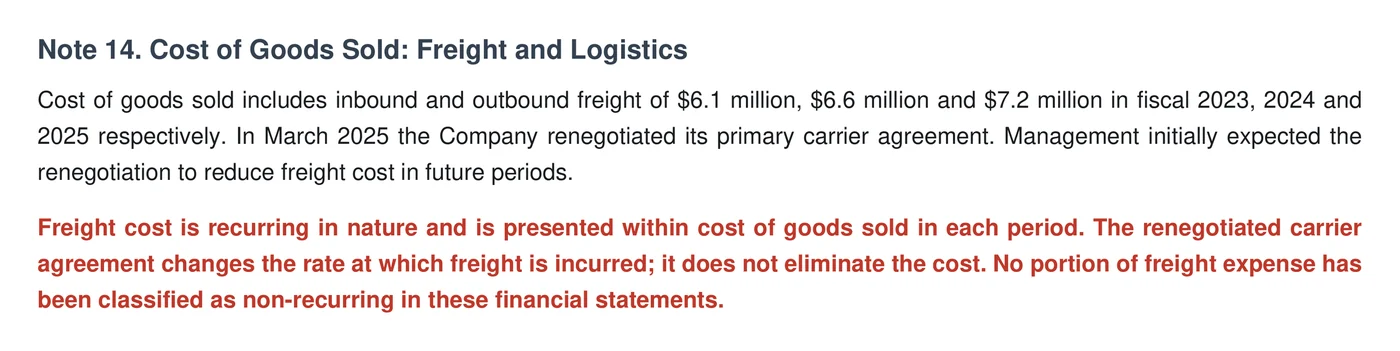
01 Add-backs against the documents
Each adjustment checked against the page that supports it.
On the Calder model, two management adjustments added 4.2 to fiscal 2026 EBITDA and moved 37 cells on the covenants tab.
Note 14 of the audited statements calls freight a recurring cost, so the 1.8 freight add-back does not hold.
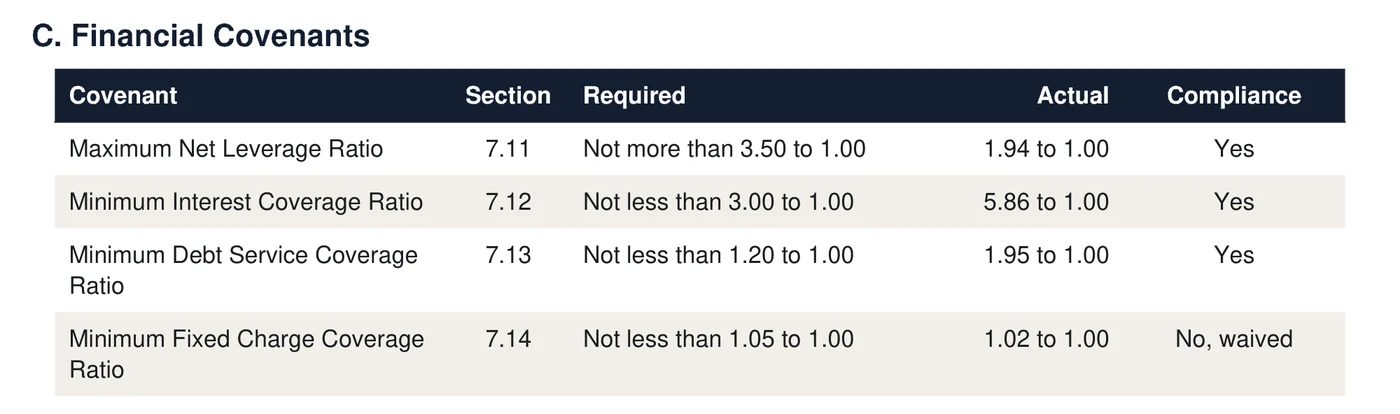
02 Quarterly updates
This quarter's numbers against last quarter's model.
Each update opens on the inputs that changed and the covenant figures they move.
The review starts where the risk moved.
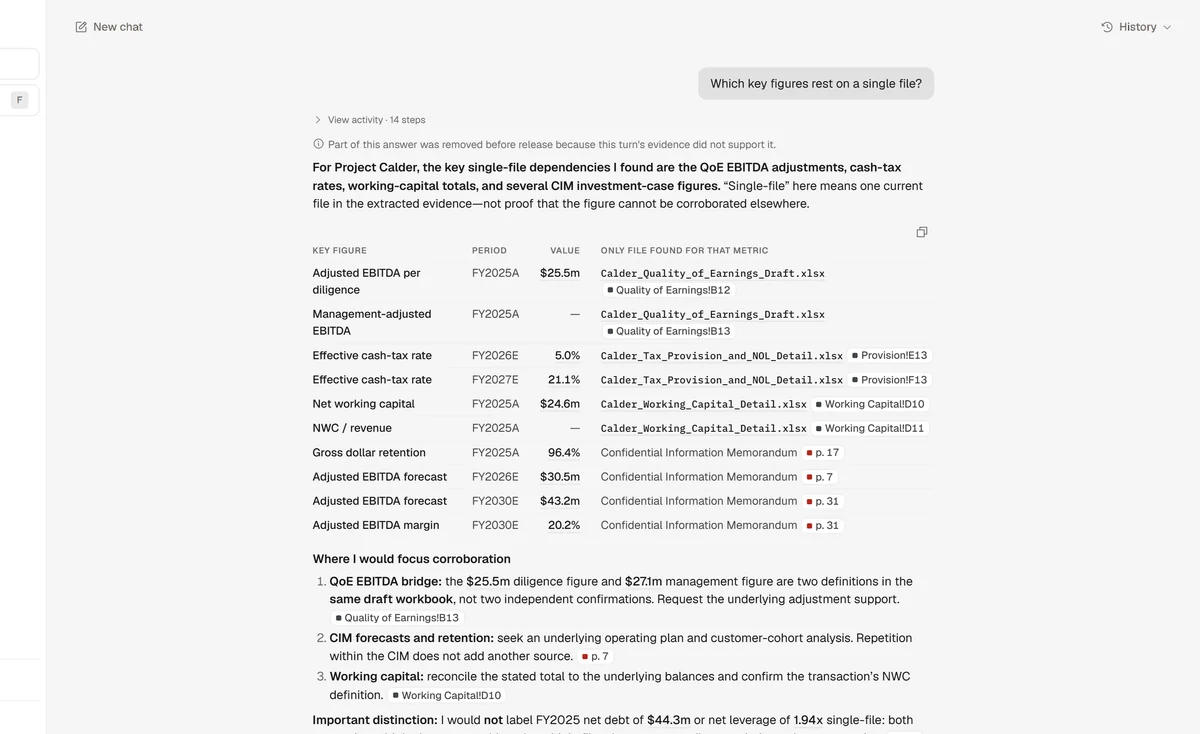
03 Questions from the credit committee
Ask the deal and get the page.
When the committee asks why adjusted EBITDA moved, the Assistant answers from the model's version history and the borrower's documents.
Every figure in the answer opens at its source.
Run it on your next live deal.
Thirty days, with two success metrics agreed in writing before day one.